MLB Draft changes affect Marauder hopefuls
4/10/2020 4:00:00 PM | Baseball, Features
MILLERSVILLE, Pa. - The COVID-19 pandemic has shifted the way Americans live day-to-day and has caused organizations everywhere to adjust to new and ever-changing conditions. Major League Baseball is no different, announcing multiple changes to the 2020 Draft and beyond. Most prominent among them is that MLB now has the right to cut the draft from 40 rounds to as few as five rounds—or any number in-between. The limits imposed on signing bonuses are also extremely restrictive compared to previous drafts:
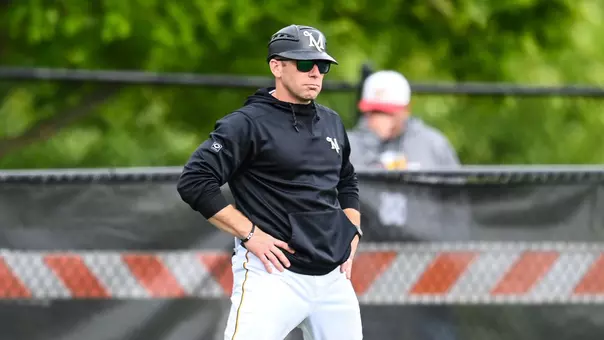
"I think it does affect us," said Millersville baseball head coach Jon Shehan. "I don't know if we had anyone that would go in the normal first five-to-10 rounds, but if minor league short seasons get started after this so-called draft, they're going to need to fill those rosters. They wouldn't have enough players to do so otherwise. So that means with five to 10 rounds we're looking at maybe some of our guys getting picked up."
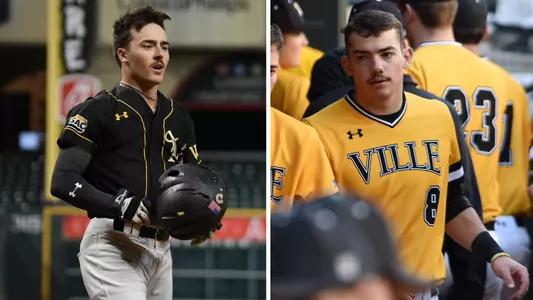
The changes may boost the hopes of Division II players across the board, in the PSAC and around the nation. The incredibly limited signing bonuses in 2020 could push top-tier high school talent to head to college and wait for larger paydays in the future, while current Division I prospects could also stay in school and take advantage of the extra year of eligibility given by the NCAA—as Marauder standouts Cole Friese and Eric Callahan both intend to do. They told Coach Shehan that they would be back on the field wearing black and gold in 2021. Only the offer of a professional contract could lure them away.
"We got the extra year, so we might as well use it," said senior center fielder Cole Friese. "If I got an offer, though, I'd probably definitely go. It just depends on who they give the offers to. I haven't heard much yet but we're still in the middle of everything."
Senior shortstop Eric Callahan echoes that sentiment.
"We were all caught by surprise with the season being canceled and weren't really sure what was going to happen with eligibility," said Callahan. "Playing professionally is a dream of mine—but winning at Millersville, winning a national title or a regional title are two things that I haven't done yet in my career. Another year here would be awesome to try to do those things and accomplish some of those goals I had coming in from my freshman year."
Callahan hit over .300 the past two seasons and in 2019 set the Millersville single-season record for home runs by a shortstop (six). He was named All-PSAC East First Team, one of only six Marauder shortstops ever to earn a first team selection.
Friese is a career .320 hitter who logged one of the most dominant offensive seasons in Marauders history in 2019, setting the single-season record for runs scored (66) in addition to leading the team in both home runs (12) and steals (27).
"Those two guys coming back would be huge for our roster," said Shehan. "But if it was me—and it's not—if I was looking at the situation and had an opportunity to start my career in professional baseball, I would do it. There's this thing called 'age' that sneaks up on guys quick. In professional baseball, by the time you sign as a college junior or senior in you might be playing against guys that are three years younger out of high school. The money is in the major leagues so you might as well get your career started and try to win that lottery and make it all the way to the big leagues."
Four-year seniors like Friese and Callahan typically lack leverage when it comes to the MLB Draft (frequently offered lower-value "take it or leave it" offers) but the extra year of eligibility has given them and collegiate players everywhere more pull with negotiations.
"These guys have options now and they have a little bit of bargaining power as fifth-year seniors that can come back," said Shehan. "Signability is going to be a big part of it this year."
Major League Baseball is still battling a host of unknown factors, including when the 2020 season will begin. The season will not begin prior to May 10 due to the guidelines from the Centers for Disease Control and Prevention (CDC) restricting mass gatherings. A proposal was ballyhooed about earlier this week that suggested a four-and-a-half-month season could begin in Arizona in late May/early June because of that state's many spring training facilities localized in a relatively small area. Logistics would include exhaustive testing for the virus, strict social distancing, electronic umpires, and sequestering of players away from their families. What would subsequently happen with minor league teams and seasons is also a critical part of any plan and has yet to be addressed.
A multitude of options remain on the table as the MLB attempts to bring baseball back to the country in order to offer Americans a brief respite from the daily anxieties of a COVID-19 world. This year's amateur draft, still scheduled for June 10-12, could generate much-needed excitement and hope.
"It's always been a dream of mine," said Friese. "It'd be a fun process to maybe go through all of it and experience it."
"I feel pretty confident in my abilities," said Callahan. "I played in wood-bat leagues the past couple summers and played really well, so I feel like I'd be ready for the opportunity if something came my way. I'm excited to see how it all plays out."
"The free agent stuff this year is going to be the Wild West," said Shehan. "It's going to be about which teams know about what guys, who they scouted a lot last year, and who was able to see what in 15 games this season. It's just crazy. I do think being at the Division II level could be a big positive. We played 18 games and Division I was only about two weeks into their season. The ability to evaluate those kids just really wasn't there. So it could be good for our guys."
- Drafted players may only receive a maximum of $100,000 of their signing bonus, with the remainder paid in 2021 and 2022.
- Undrafted free agent players may receive a maximum signing bonus of $20,000, down from the prior maximum of $125,000.
"I think it does affect us," said Millersville baseball head coach Jon Shehan. "I don't know if we had anyone that would go in the normal first five-to-10 rounds, but if minor league short seasons get started after this so-called draft, they're going to need to fill those rosters. They wouldn't have enough players to do so otherwise. So that means with five to 10 rounds we're looking at maybe some of our guys getting picked up."
The changes may boost the hopes of Division II players across the board, in the PSAC and around the nation. The incredibly limited signing bonuses in 2020 could push top-tier high school talent to head to college and wait for larger paydays in the future, while current Division I prospects could also stay in school and take advantage of the extra year of eligibility given by the NCAA—as Marauder standouts Cole Friese and Eric Callahan both intend to do. They told Coach Shehan that they would be back on the field wearing black and gold in 2021. Only the offer of a professional contract could lure them away.
"We got the extra year, so we might as well use it," said senior center fielder Cole Friese. "If I got an offer, though, I'd probably definitely go. It just depends on who they give the offers to. I haven't heard much yet but we're still in the middle of everything."
Senior shortstop Eric Callahan echoes that sentiment.
"We were all caught by surprise with the season being canceled and weren't really sure what was going to happen with eligibility," said Callahan. "Playing professionally is a dream of mine—but winning at Millersville, winning a national title or a regional title are two things that I haven't done yet in my career. Another year here would be awesome to try to do those things and accomplish some of those goals I had coming in from my freshman year."
Callahan hit over .300 the past two seasons and in 2019 set the Millersville single-season record for home runs by a shortstop (six). He was named All-PSAC East First Team, one of only six Marauder shortstops ever to earn a first team selection.
Friese is a career .320 hitter who logged one of the most dominant offensive seasons in Marauders history in 2019, setting the single-season record for runs scored (66) in addition to leading the team in both home runs (12) and steals (27).
"Those two guys coming back would be huge for our roster," said Shehan. "But if it was me—and it's not—if I was looking at the situation and had an opportunity to start my career in professional baseball, I would do it. There's this thing called 'age' that sneaks up on guys quick. In professional baseball, by the time you sign as a college junior or senior in you might be playing against guys that are three years younger out of high school. The money is in the major leagues so you might as well get your career started and try to win that lottery and make it all the way to the big leagues."
Four-year seniors like Friese and Callahan typically lack leverage when it comes to the MLB Draft (frequently offered lower-value "take it or leave it" offers) but the extra year of eligibility has given them and collegiate players everywhere more pull with negotiations.
"These guys have options now and they have a little bit of bargaining power as fifth-year seniors that can come back," said Shehan. "Signability is going to be a big part of it this year."
Major League Baseball is still battling a host of unknown factors, including when the 2020 season will begin. The season will not begin prior to May 10 due to the guidelines from the Centers for Disease Control and Prevention (CDC) restricting mass gatherings. A proposal was ballyhooed about earlier this week that suggested a four-and-a-half-month season could begin in Arizona in late May/early June because of that state's many spring training facilities localized in a relatively small area. Logistics would include exhaustive testing for the virus, strict social distancing, electronic umpires, and sequestering of players away from their families. What would subsequently happen with minor league teams and seasons is also a critical part of any plan and has yet to be addressed.
A multitude of options remain on the table as the MLB attempts to bring baseball back to the country in order to offer Americans a brief respite from the daily anxieties of a COVID-19 world. This year's amateur draft, still scheduled for June 10-12, could generate much-needed excitement and hope.
"It's always been a dream of mine," said Friese. "It'd be a fun process to maybe go through all of it and experience it."
"I feel pretty confident in my abilities," said Callahan. "I played in wood-bat leagues the past couple summers and played really well, so I feel like I'd be ready for the opportunity if something came my way. I'm excited to see how it all plays out."
"The free agent stuff this year is going to be the Wild West," said Shehan. "It's going to be about which teams know about what guys, who they scouted a lot last year, and who was able to see what in 15 games this season. It's just crazy. I do think being at the Division II level could be a big positive. We played 18 games and Division I was only about two weeks into their season. The ability to evaluate those kids just really wasn't there. So it could be good for our guys."
Players Mentioned
SS
/ Baseball
OF
/ BaseballFriday, May 22
Friday, May 22
Friday, May 15
Thursday, May 14